The imposition of U.S. tariffs on Mexican goods, including tequila and mezcal, can significantly impact exports to the U.S. market. Here’s how tariffs could affect these products and potential alternatives to boost sales despite trade barriers:
1. Impact of U.S. Tariffs on Tequila & Mezcal Exports
Negative Effects:
Higher Prices for U.S. Consumers: Tariffs increase costs for importers, which may be passed on to consumers, reducing demand.
Lower Profit Margins: Mexican producers may have to absorb some of the tariff costs, hurting profitability.
Competitive Disadvantage: Other spirits (e.g., American whiskey, rum) could become relatively cheaper, shifting consumer preferences.
Supply Chain Disruptions: Uncertainty may lead to reduced investment in production and exports.
Potential Mitigating Factors:
Brand Loyalty: Premium tequila and mezcal have strong brand recognition, making demand somewhat price inelastic.
Limited Substitutes: High-quality agave spirits are unique to Mexico, giving some protection against substitution.
2. Alternatives to Increase Sales Despite Tariffs
To counter tariff effects, Mexican producers and exporters can adopt these strategies:
A. Diversify Export Markets
Target Canada, Europe, and Asia, where demand for premium spirits is growing.
Leverage free trade agreements (e.g., USMCA, EU-Mexico FTA) to reduce dependency on the U.S.
B. Premiumization & Branding
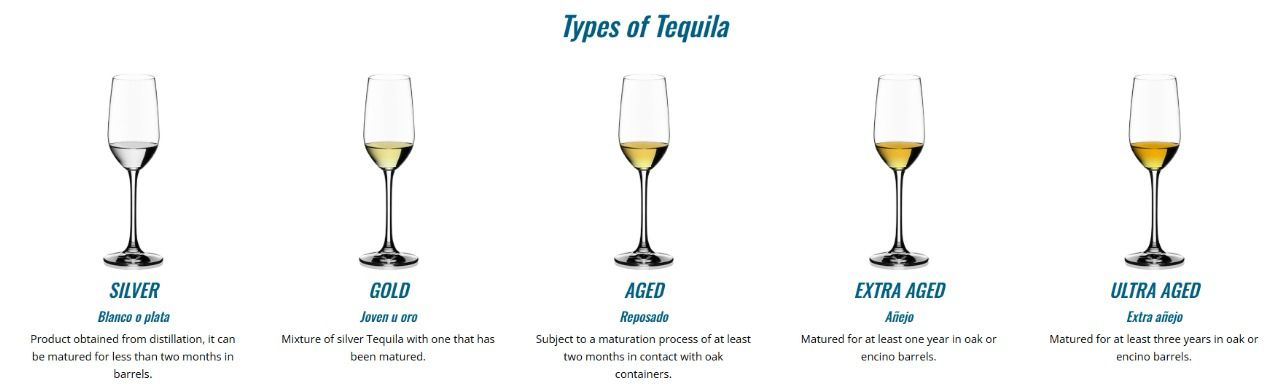
Focus on high-end Tequila Añejo (Extra Aged), Extra Añejo (Ultra Aged)) and artisanal Mezcal, which have higher margins.
Strengthen geographical indication (GI) recognition to emphasize authenticity.
C. Direct-to-Consumer (DTC) Sales
Expand e-commerce sales in the U.S. via platforms like Amazon, Drizly, or brand-owned websites.
Offer subscription models or exclusive releases to maintain customer loyalty.
D. Strategic Partnerships
Collaborate with U.S. distributors to share tariff burdens.
Partner with restaurants and bars for exclusive promotions.
E. Lobbying & Trade Negotiations
Work with the Mexican government to seek tariff exemptions for agave spirits.
Engage U.S. importers and industry groups (e.g., Discus) to oppose tariffs.
F. Sustainability & Agave Supply Stability
Promote sustainable agave farming to ensure long-term supply and appeal to eco-conscious buyers.
Highlight organic and fair-trade certifications to justify premium pricing.
Conclusion
While U.S. tariffs pose challenges, Mexican tequila and mezcal producers can adapt by diversifying markets, preimmunizing products, and strengthening direct sales channels. By leveraging brand strength and exploring new growth avenues, the industry can minimize tariff impacts and sustain export growth.
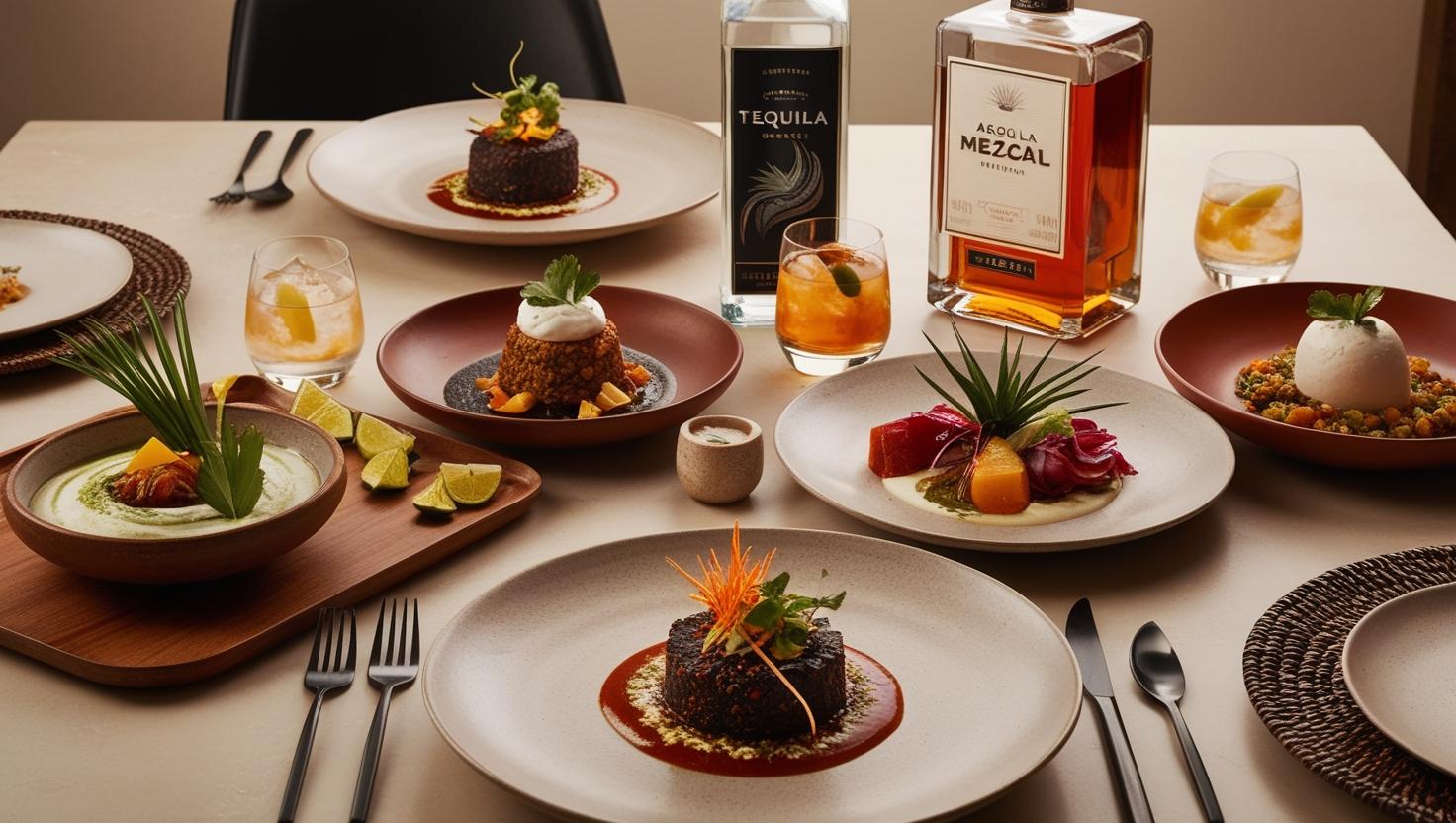
Agave spirits, including tequila and mezcal, have experienced a significant surge in popularity, leading to innovative culinary pairings that highlight their rich flavors and cultural heritage. Chefs and mixologists are increasingly exploring the versatility of these spirits, crafting unique combinations that enhance the dining experience.
Innovative Culinary Pairings
In Chicago, mixologist Denisse Soto has been at the forefront of integrating Mexican culinary traditions with agave spirits. At Cariño, she crafts cocktails inspired by Mexican dishes such as cochinita pibil and pozole verde, using unique Mexican spirits like Bacanora and Comiteco. For instance, her cochinita pibil cocktail incorporates tamarind water and a flour chicharron salt rim to mirror the flavors of the traditional Yucatán dish.
Similarly, the tradition of ‘sobremesa’ in Mexico City emphasizes leisurely post-meal gatherings where mezcal plays a central role. Yola Jimenez, co-founder of Yola Mezcal, hosts lunches featuring Michelin-starred chefs, where guests enjoy dishes like Jerusalem artichoke tamales paired with mezcal Margaritas, fostering a relaxed and hospitable atmosphere.
Emerging Trends in Agave Spirits
The global agave spirits market was valued at $13.5 billion in 2023 and is projected to grow at a CAGR of 9.3% from 2024 to 2030. This growth is driven by technological advancements and increasing consumer demand.
In Austin, Texas, there’s been a notable shift towards mezcal, with bars and restaurants expanding their selections to include this smoky and complex agave spirit. This trend reflects a broader embrace of regional Mexican products and culinary traditions.
Global Expansion and Education
The appreciation for agave spirits is spreading globally, leading to the opening of specialized venues. For example, Poca Madre in Brisbane, Australia, offers an extensive selection of agave spirits sourced from nine Mexican distilleries, including 17 tequilas and mezcals. The venue plans to host masterclasses and tastings to educate guests on the cultural significance of these spirits.
Understanding Agave Spirits
Agave spirits, primarily tequila and mezcal, are distilled beverages made from the agave plant. Tequila is typically produced from blue agave, while mezcal can be made from various agave species, imparting distinct smoky flavors. These spirits are categorized based on their aging process:
Blanco (Silver): Unaged and bottled immediately after distillation, offering crisp and vibrant flavors.
Reposado (Aged): Aged for two months to a year in oak barrels, acquiring subtle vanilla and caramel notes.
Añejo (Extra Aged): Matured for at least one year, resulting in rich, complex profiles with hints of dried fruit and spices.
Pairing Principles
When pairing agave spirits with food, consider the following principles:
Flavor Intensity Matching: Align the strength of the dish’s flavors with the spirit’s intensity to ensure balance.
Complementary Flavors: Identify flavor notes in the spirit that can complement elements in the dish.
Contrasting Elements: Use contrasting flavors to create balance and enhance the dining experience.
Pairing Suggestions
Blanco Tequila (Silver)
Blanco tequila’s fresh and vibrant profile pairs well with light and zesty dishes:
Ceviche: The citrusy and spicy notes of ceviche harmonize with the crispness of blanco tequila.
Grilled Fish Tacos: The clean flavors of blanco tequila complement the delicate taste of grilled fish, especially when accompanied by lime and cilantro.
Salads with Avocado and Lime: The herbaceous notes of blanco tequila enhance fresh salads featuring avocado and lime.
Grilled Meats: The smooth, slightly sweet profile of reposado tequila pairs well with the smoky flavors of grilled meats.
Chicken Enchiladas with Mole Sauce: The tequila’s vanilla and spice notes complement the rich, complex flavors of mole sauce.
Cheese Platters: Reposado tequila pairs beautifully with aged cheeses, complementing their nutty, complex flavors.
Añejo Tequila
Añejo (Extra Aged) tequila’s rich and smooth flavor profile matches well with hearty dishes and desserts:
Braised Short Ribs: The rich, tender meat complements the tequila’s smooth, complex profile.
Dark Chocolate Desserts: The deep flavors of añejo tequila harmonize with the richness of dark chocolate.
Aged Cheeses: Añejo tequila pairs well with aged cheeses like Manchego or blue cheese, creating a sophisticated tasting experience.
Mezcal
Mezcal’s distinctive smoky flavor can enhance various dishes:
Smoky Barbecue: The spirit’s smokiness complements grilled or smoked meats.
Spicy Salsas: Mezcal’s earthy tones balance the heat and acidity of spicy salsas.
Chocolate-Based Desserts: The complex flavors of mezcal pair excellently with rich chocolate desserts.
Tips for Creating Unique Dining Experiences
Experiment with Flavors: Don’t hesitate to try unconventional pairings to discover new flavor combinations.
Consider Regional Cuisine: Pair agave spirits with traditional Mexican dishes to celebrate cultural authenticity.
Mind the Occasion: Select pairings that suit the event’s formality and guest preferences.
Educate Guests: Share insights about the chosen pairings to enhance appreciation and enjoyment.
By thoughtfully pairing agave spirits with gourmet dishes, you can craft unique and memorable dining experiences that delight the senses.
Conclusion
The fusion of agave spirits with gourmet cuisine showcases the dynamic nature of culinary arts, blending traditional flavors with modern innovation. As the global appreciation for these spirits grows, so does the exploration of inventive pairings, enriching the gastronomic landscape and honoring the rich heritage of agave-based beverages.
Here’s a well-crafted article for your blog post titled “02 The Rise of Agave Spirits: Trends and Opportunities Shaping the Global Market in 2025”:
The Rise of Agave Spirits: Trends and Opportunities Shaping the Global Market in 2025
In the world of spirits, agave-based beverages, particularly tequila and mezcal, have been steadily gaining attention from consumers and industry players alike. As we move into 2025, the demand for agave spirits is reaching new heights, and the opportunities for businesses to capitalize on this growing market are expanding. But what exactly is driving this surge in popularity, and how can businesses position themselves to thrive in the evolving landscape of agave spirits?
The Growing Popularity of Agave Spirits
Agave spirits, which include tequila, mezcal, raicilla, and bacanora, have deep-rooted traditions in Mexican culture, but their global appeal is now undeniable. While tequila has been the most widely recognized agave spirit, the rise of mezcal as a premium, artisanal alternative has significantly shaped the industry in recent years. According to recent reports, the global tequila market alone is expected to surpass USD 20 billion by 2025, with mezcal following closely behind in its rapid growth.
The rising interest in these beverages can be attributed to several key factors:
Premiumization: Consumers are increasingly seeking high-quality, authentic, and artisanal products. Both tequila and mezcal have become symbols of craftsmanship and quality, which has created a new segment of premium consumers who are willing to pay more for a superior experience.
Sustainability and Authenticity: As part of the shift toward more responsible consumption, agave spirits have gained favor due to their relatively sustainable production methods. The slow-growing agave plant, which is integral to both tequila and mezcal production, has been embraced as an environmentally conscious alternative compared to other types of spirits, such as whiskey or rum.
Cultural Influence: The growing influence of Mexican culture on a global scale, particularly in the culinary and entertainment industries, has propelled the popularity of agave spirits. Celebrities and influencers promoting these drinks have further fueled the trend, especially in markets like the U.S. and Europe.
Trends Shaping the Agave Spirits Market in 2025
As we look ahead to 2025, several trends are expected to dominate the agave spirits market. Understanding these trends will help businesses navigate the rapidly changing industry landscape.
Innovative Flavors and Product Diversification The traditional offerings of tequila and mezcal are evolving. Craft distillers are introducing new, innovative flavors by experimenting with aging processes, different types of barrels, and unique agave species. From smoky mezcals aged in wine barrels to limited-edition tequila expressions with hints of exotic fruits, consumers are increasingly seeking new flavor experiences. Companies that are quick to innovate and introduce unique blends will find themselves ahead of the curve.
Agave Spirits in Cocktails and Mixology Mixologists are embracing agave spirits as versatile ingredients in cocktails. Tequila and mezcal are no longer just the base for margaritas; they’re being used in a wide range of creative drinks, from smoky Old Fashioneds to fruity, refreshing highballs. As consumers increasingly indulge in craft cocktails, the demand for premium agave spirits as key ingredients is on the rise. Businesses in the bar and restaurant industry can capitalize on this trend by featuring agave-centric cocktail menus and highlighting the versatility of these spirits.
Growth of the Mezcal Market While tequila remains the dominant agave spirit, mezcal is rapidly gaining ground as a luxury offering. Its smoky flavor profile, complexity, and small-batch production appeal to discerning customers looking for something unique. As mezcal continues to grow, it’s being embraced not only by connoisseurs but also by mainstream consumers. Mezcal’s appeal lies in its artisanal nature, and in 2025, we expect it to continue carving out a larger share of the agave spirits market.
Sustainability and Ethical Sourcing As sustainability becomes a central focus for both consumers and businesses, ethical sourcing of agave and environmentally responsible production practices are gaining importance. In response, several agave spirit producers are adopting sustainable farming practices, supporting local communities, and focusing on reducing waste in the production process. Businesses that prioritize sustainability, transparency, and eco-friendly practices will not only align with consumer expectations but also differentiate themselves in a competitive market.
Expansion into New Global Markets The demand for agave spirits is not limited to North America anymore. While the U.S. remains the largest market for tequila, agave spirits are finding new enthusiasts in Asia, Europe, and even Africa. In particular, emerging markets with a growing middle class, such as China and India, represent a significant opportunity for expansion. Companies that can successfully navigate local regulations, marketing strategies, and cultural preferences will be well-positioned to succeed in these regions.
Opportunities for Businesses in the Agave Spirits Market
The surge in demand for tequila, mezcal, and other agave-based spirits presents numerous opportunities for businesses across the supply chain. Here are some key strategies that entrepreneurs and industry leaders can employ to tap into the agave spirits boom:
Brand Differentiation: With the increasing number of brands entering the agave spirits market, standing out from the competition is critical. Whether through packaging, unique flavor profiles, or storytelling that highlights the brand’s heritage, businesses can build strong identities that resonate with consumers.
E-commerce and Direct-to-Consumer Sales: The growth of online alcohol sales offers new opportunities for businesses to connect with customers directly. Through e-commerce platforms, businesses can offer exclusive products, limited-edition releases, and customized bottles, providing consumers with a personalized experience.
Collaborations and Partnerships: Collaborating with other brands, influencers, and local communities can open doors to new marketing opportunities and broaden brand reach. For instance, working with top chefs or mixologists to create exclusive cocktails can elevate a brand’s presence in the market.
Education and Consumer Engagement: As agave spirits continue to grow in popularity, consumers are seeking education about the different types of agave-based beverages, production processes, and tasting experiences. Businesses can enhance brand loyalty by offering educational content, tastings, and experiences that deepen consumers’ understanding and appreciation of agave spirits.
Conclusion
The agave spirits market is entering an exciting phase in 2025, marked by innovation, premiumization, and cultural shifts. The growing demand for tequila, mezcal, and other agave-based drinks presents significant opportunities for businesses to tap into a thriving market, but success will depend on how well companies adapt to changing consumer preferences and emerging trends. By embracing sustainability, diversification, and a deep understanding of the global market, businesses can position themselves to ride the wave of the agave spirits revolution well into the future.
This article provides a comprehensive look at the current landscape of the agave spirits market, along with actionable insights for businesses to capitalize on these trends. You can post this on your B2B GT blog to engage your audience and attract businesses interested in entering or expanding within the agave spirits sector.
1. A Spirited Surge: The Global Demand for Agave Spirits
The global tequila and mezcal market is projected to grow at a CAGR of 8.1% through 2027, driven by demand from North America, Europe, and Asia-Pacific. High-end tequila, particularly aged variants like añejo and extra añejo, is captivating premium spirit consumers. Meanwhile, mezcal, with its artisanal production and distinct smoky profile, is carving its niche among adventurous drinkers.
Key Insight: Premiumization is a major driver of growth, with consumers willing to pay top dollar for quality and authenticity.
2. The Appeal of Authenticity and Heritage
Consumers today crave more than a product—they want a story. Tequila and mezcal brands that emphasize traditional production methods, sustainable agave farming, and their ties to Mexican culture are winning hearts and wallets. Artisanal mezcal, in particular, has gained a loyal following for its handcrafted process and regional specificity.
Tip for Entrepreneurs: Highlight your brand’s unique story and commitment to authenticity in marketing campaigns to differentiate in a crowded market.
3. Key Export Markets and Opportunities
United States: The largest market for agave spirits, driven by demand for both cocktails and sipping tequilas.
Europe: A growing appetite for premium and organic spirits makes Europe a prime market for mezcal.
Asia-Pacific: Rising interest in tequila among younger, affluent consumers in countries like China and Japan is creating exciting opportunities.
Action Step: Develop targeted strategies for each region, considering local tastes, marketing channels, and regulations.
4. Challenges to Watch Out For
Despite the promise, the agave spirit industry faces challenges:
Agave Supply Shortages: Increased demand is driving up raw material costs.
Market Education: Introducing mezcal to new audiences often requires educating consumers about its unique qualities.
Pro Tip: Partner with local distributors and leverage trade shows to overcome these barriers.
5. Sustainability: The Future of Agave Spirits
As consumers become more environmentally conscious, sustainability in agave farming and production is increasingly important. Brands investing in eco-friendly practices, such as replanting agave and using waste-to-energy processes, are setting themselves apart.
Case Study Spotlight: Highlight a tequila or mezcal producer that’s successfully balanced sustainability with profitability to inspire readers.
Conclusion: The Time Is Now
Tequila and mezcal have evolved from traditional Mexican beverages to global luxury products. For those willing to embrace innovation, authenticity, and sustainability, the potential for success is immense. By tapping into new markets, telling compelling brand stories, and addressing challenges head-on, you can turn agave into gold.
Interested in entering the agave spirit market or scaling your business globally?